
Professional Galvanized Welded Mesh Exporter for Quality Projects
Finding the Right Galvanized Welded Mesh Exporter for Your Project
Selecting a high-quality fencing or screening solution requires more than just picking a product; it requires partnering with a reliable galvanized welded mesh exporter who understands the balance between structural integrity and corrosion resistance. Whether you are securing an industrial perimeter, building animal enclosures, or implementing architectural reinforcements, the quality of the galvanization process determines the lifespan of your installation. In this guide, we will explore the technical advantages of galvanized welded mesh and how to identify a global supplier that meets international quality standards to ensure your investment stands the test of time.
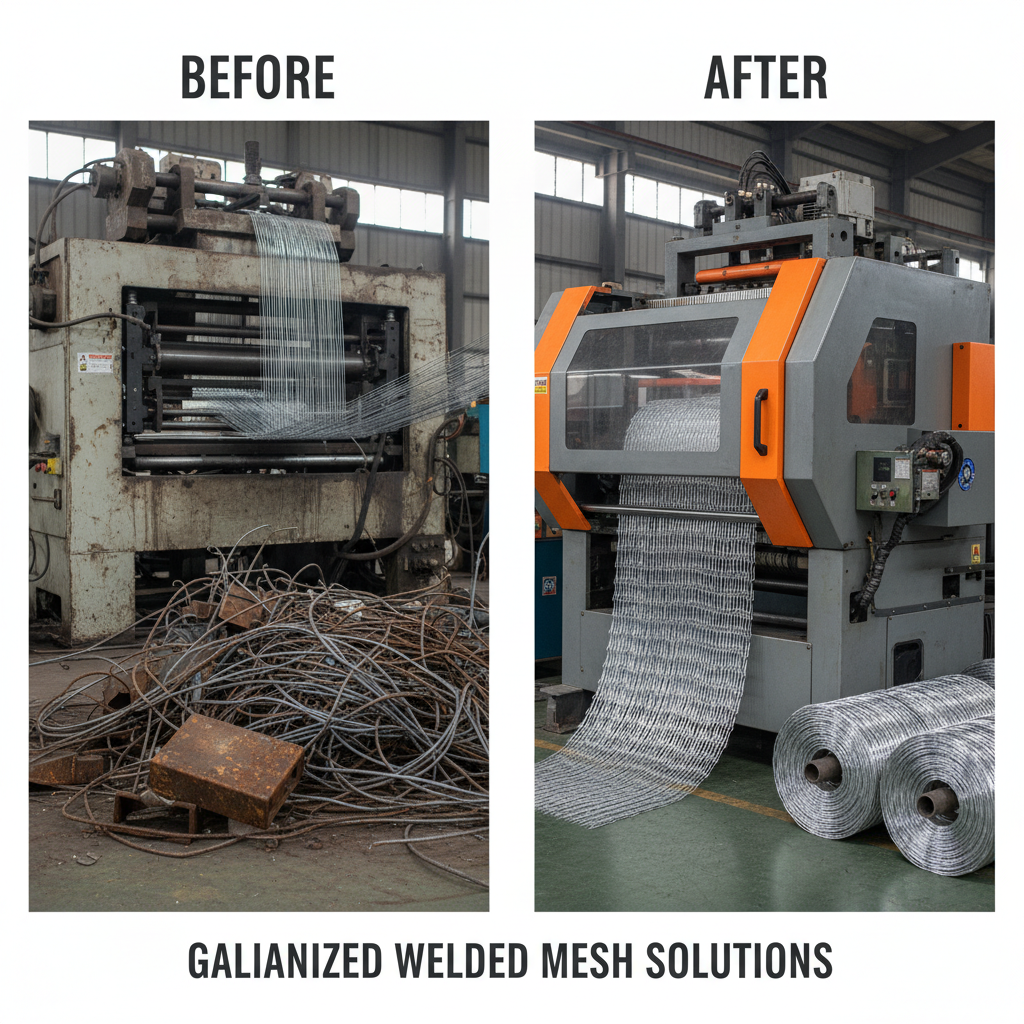
The Technical Advantage of Galvanized Welded Mesh
Welded mesh is created by fusing longitudinal and transverse wires at every intersection using electrical resistance welding. When this process is combined with galvanization—the application of a protective zinc coating—the result is a product with exceptional strength and rust prevention. A professional galvanized welded mesh exporter typically offers two types of coating: hot-dipped galvanizing, which provides a thick, durable layer for harsh environments, and electro-galvanizing, which offers a smoother finish for indoor applications. The zinc layer acts as a sacrificial anode, meaning it corrodes first to protect the underlying steel from oxidation.
Industry Insight: Hot-dipped galvanizing is generally preferred for outdoor export projects because it ensures a consistent coating thickness even on the weld points, significantly reducing maintenance costs over a 10-20 year period.
Comparing Coating Methods from a Galvanized Welded Mesh Exporter
Not all galvanized mesh is created equal. Depending on your environmental exposure—such as coastal salt air or industrial chemicals—the type of galvanization you choose is critical. A reputable galvanized welded mesh exporter will guide you through the trade-offs between aesthetics and longevity. While electro-galvanized mesh looks cleaner and is more cost-effective, hot-dipped mesh is the gold standard for heavy-duty protection.
Diverse Applications for Welded Mesh Solutions
The flexibility of galvanized welded mesh makes it an indispensable material across various sectors. In agriculture, it is used for high-security livestock pens and poultry cages. In the construction industry, it serves as a critical reinforcement for concrete slabs and walls. Moreover, the security sector relies on this material for perimeter fencing that is difficult to cut and penetrate. By sourcing from a professional galvanized welded mesh exporter, clients can customize the aperture size and wire gauge to fit specific security or filtration needs, ensuring the mesh is neither too open nor overly restrictive.
Product Specifications from Your Mesh Exporter
Precision is key when ordering large quantities of wire mesh. A top-tier galvanized welded mesh exporter provides detailed specification sheets to ensure the product matches the engineering requirements. This includes the exact wire diameter, the mesh opening (aperture), and the roll or panel dimensions. Standardizing these specifications helps in reducing installation errors and ensuring the structural load-bearing capacity is met.
Quality Assurance in International Export
When importing wire products, quality control is the most significant risk. A professional galvanized welded mesh exporter implements rigorous testing, including salt spray tests to verify the zinc coating's thickness and weld strength tests to ensure the mesh won't pull apart under tension. Buyers should look for certifications such as ISO 9001, which guarantee that the manufacturing process is consistent. Furthermore, proper export packaging—using waterproof wraps and reinforced pallets—prevents the mesh from oxidizing or bending during long-distance sea freight.
How to Choose Your Galvanized Welded Mesh Exporter
Choosing the right partner involves evaluating their production capacity and their willingness to provide customized solutions. The best galvanized welded mesh exporter will offer a comprehensive consultation, helping you determine if a PVC coating over the galvanization is necessary for extreme environments. Additionally, transparency in lead times and shipping logistics is a hallmark of a professional exporter. By auditing the factory's raw material sources and galvanizing baths, you can ensure that the final product meets the longevity requirements of your specific project.
Conclusion: Securing Quality with a Trusted Partner
Investing in high-grade galvanized welded mesh is an investment in durability and safety. From industrial security to architectural design, the right mesh prevents failures and reduces long-term maintenance costs. By partnering with a dedicated galvanized welded mesh exporter, you gain access to precision-engineered materials and professional logistical support. Ensure your project is built on a foundation of strength and corrosion resistance by choosing certified, high-quality galvanized solutions today.
Frequently Asked Questions (FAQs)
What is the difference between hot-dipped and electro-galvanized mesh?
Hot-dipped galvanizing involves immersing the welded mesh into a vat of molten zinc, creating a thick, bonded layer that provides superior protection against rust and outdoor weathering. Electro-galvanizing uses an electric current to apply a thinner layer of zinc, resulting in a smoother, more aesthetically pleasing finish. While electro-galvanized mesh is excellent for indoor use or short-term projects, hot-dipped mesh is the only viable choice for heavy-duty outdoor applications where longevity is a priority. A professional galvanized welded mesh exporter will usually recommend hot-dipping for any project exposed to rain or humidity.
Can the mesh be customized in terms of size and aperture?
Yes, most leading exporters offer full customization. You can specify the wire diameter (the thickness of the wire) and the aperture size (the width and height of the squares or rectangles). Whether you need a very fine mesh for filtration or a wide, thick mesh for security fencing, these parameters can be adjusted during the welding process. Customization also extends to the final form, where the mesh can be delivered in large rolls for ease of transport or pre-cut panels for immediate installation. Always provide a detailed technical drawing to your supplier to ensure accuracy.
How do I ensure the mesh I receive from an exporter is high quality?
To ensure quality, you should request a Material Test Certificate (MTC) and a galvanizing thickness report. Look for exporters who follow international standards like ASTM or ISO. You can also perform a simple "bend test" on samples to ensure the welds do not snap under pressure. Additionally, checking the uniformity of the zinc coating is essential; there should be no bare spots, especially at the weld points. Working with a transparent galvanized welded mesh exporter who provides third-party inspection options is the safest way to guarantee product integrity.
What is the typical lifespan of galvanized welded mesh?
The lifespan varies significantly based on the environment and the galvanization method. In a dry, indoor environment, electro-galvanized mesh can last for many years. However, in outdoor settings, hot-dipped galvanized mesh is designed to last between 20 to 50 years depending on the zinc coating thickness and the corrosivity of the air. In highly saline coastal areas, the lifespan may be shorter unless the mesh is further protected with a PVC or powder coating. Regular inspections for signs of "white rust" (zinc oxide) can help you determine when maintenance or replacement is necessary.
-
Comprehensive Guide to Premier GI Wire Mesh Manufacturers and Suppliers When sourcing GI wire mesh for various applications, choosing the right manufacturer is paramount. Quality, consistency, and competitive pricing are key factors. This article provides a detailed overview of GI wire mesh manufacturers, the factors to consider when selecting a supplier, and highlights how Haotian Mesh stands out in the industry. Understanding the nuances of GI wire mesh production will empower you to make informed decisions for your projects. Read More >26 Apr, 07
If you are interested in our products, you can choose to leave your information here, and we will be in touch with you shortly.


